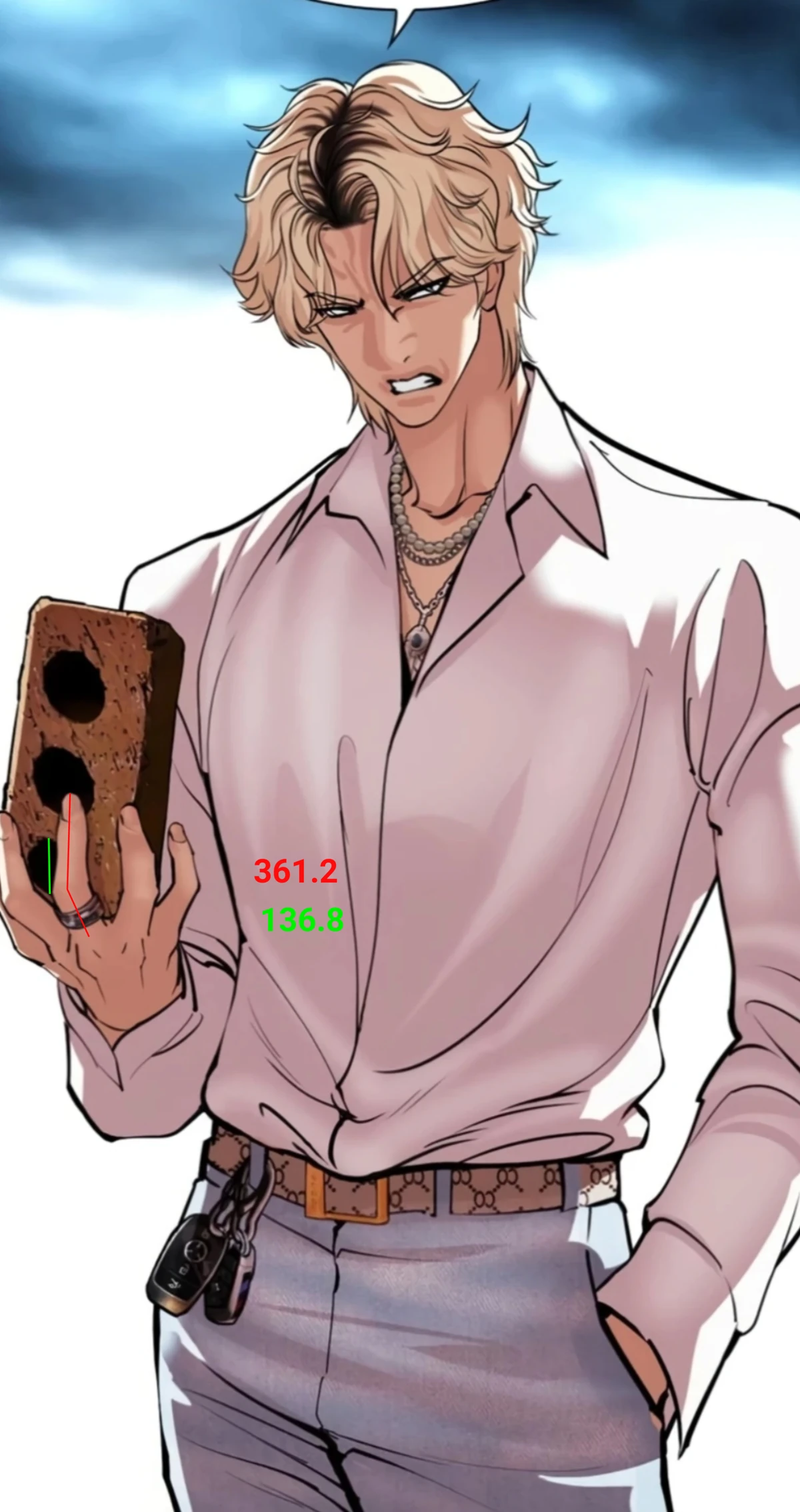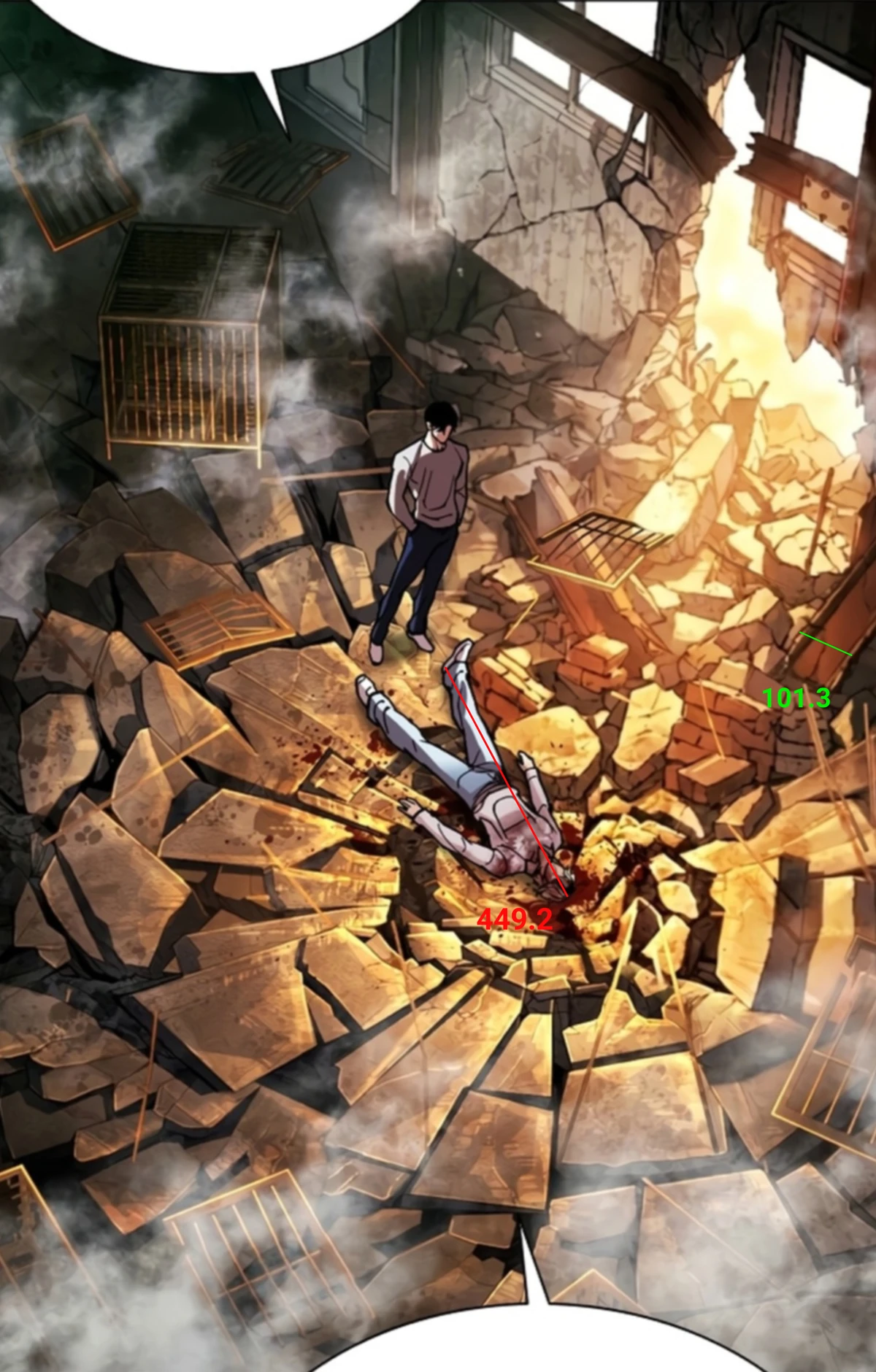

Hello, I have a question about this thread that was made about cratering. I originally sent messages to 4 admins+ (3 of them haven't responded and another one told me they weren't too well-informed about this). So since it seems like you have an interest on this topic, I thought about a possible additional discussion to your thread or maybe here. But, basically, here is the TLDR of both sides:
"I was against the total usage of the d/D ratio and this was the argument: The d/D ratio is borrowed from meteor impact studies where even under controlled conditions the ratio varies widely from 0.08 to 0.215 with no confident trend, as acknowledged by both these two articles: Hoover et al. and Stopar et al (Full PDF locked in a paywall but main points can still be read). Neither paper can identify which factors — velocity, target properties, impactor properties, degradation — dominate the final ratio, making it unreliable as a fixed value. Especially applying it to a below 40m punch crater, where no data exists, and the trend suggests the ratio would be even lower, means many calculations likely overestimate depth and therefore energy. I believe it shouldn't be used at all due to the different creating conditions (high velocity meteorite impacts), and especially ratios like 0.17 and above shouldn't be used for craters with diameters below 40 meters. Seeing it be used on like 1-5 meter craters and using those ratios to say it’s 0.17-0.85 meters deep when they genuinely don’t even look a cm or 2 deep often inflates the calculations (I can give some examples I’ve seen, but don’t want to seem like I’m targeting people).
The opposing argument (feel like it should be brought up) TLDR: The crater visually resembles a simple bowl-shaped crater, and since lunar simple crater research documents d/D ratios in the 0.11–0.17 range, applying 0.17 is a reasonable approximation regardless of formation mechanism and diameter size. The speed difference between a meteor and a punch is a minor factor that doesn't significantly change the final energy values and geometric outcome of a simple crater. Since the ratio doesn't change dramatically even across large diameter ranges (a sample size of 930 (the Stopar one I sent above), a 3.77× size difference won't meaningfully shift it either."
Just trying to see if this could be a possible discussion.
"I was against the total usage of the d/D ratio and this was the argument: The d/D ratio is borrowed from meteor impact studies where even under controlled conditions the ratio varies widely from 0.08 to 0.215 with no confident trend, as acknowledged by both these two articles: Hoover et al. and Stopar et al (Full PDF locked in a paywall but main points can still be read). Neither paper can identify which factors — velocity, target properties, impactor properties, degradation — dominate the final ratio, making it unreliable as a fixed value. Especially applying it to a below 40m punch crater, where no data exists, and the trend suggests the ratio would be even lower, means many calculations likely overestimate depth and therefore energy. I believe it shouldn't be used at all due to the different creating conditions (high velocity meteorite impacts), and especially ratios like 0.17 and above shouldn't be used for craters with diameters below 40 meters. Seeing it be used on like 1-5 meter craters and using those ratios to say it’s 0.17-0.85 meters deep when they genuinely don’t even look a cm or 2 deep often inflates the calculations (I can give some examples I’ve seen, but don’t want to seem like I’m targeting people).
The opposing argument (feel like it should be brought up) TLDR: The crater visually resembles a simple bowl-shaped crater, and since lunar simple crater research documents d/D ratios in the 0.11–0.17 range, applying 0.17 is a reasonable approximation regardless of formation mechanism and diameter size. The speed difference between a meteor and a punch is a minor factor that doesn't significantly change the final energy values and geometric outcome of a simple crater. Since the ratio doesn't change dramatically even across large diameter ranges (a sample size of 930 (the Stopar one I sent above), a 3.77× size difference won't meaningfully shift it either."
Just trying to see if this could be a possible discussion.